16:8 Intermittent Fasting: Schedule, Benefits, and What to Eat
FastSoul TeamMarch 8, 20268 min read
The 16:8 method is the most popular intermittent fasting protocol in the world — and for good reason. It strikes the perfect balance between effectiveness and sustainability. You fast for 16 hours, eat within an 8-hour window, and repeat daily. No calorie counting. No food restrictions. Just a simple schedule.
This guide covers everything you need to know about 16:8 fasting: how it works, the science behind it, how to set your schedule, what to eat, and who it is best suited for.
What Is 16:8 Intermittent Fasting?
The 16:8 protocol means you fast for 16 consecutive hours and eat all your meals within an 8-hour window. For most people, this means skipping breakfast and eating from around noon to 8 PM — though you can shift the window to fit your lifestyle.
During the 16-hour fast, you consume zero calories. Water, black coffee, plain tea, and other non-caloric beverages are allowed and encouraged.
The 16-hour fast is significant because it pushes your body past glycogen depletion and into fat-burning mode. It also triggers the early stages of autophagy — the cellular cleanup process that removes damaged proteins.
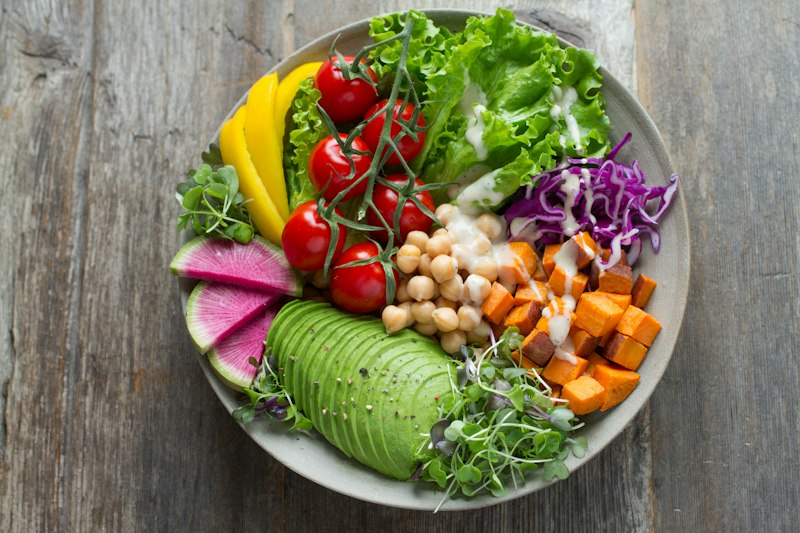
Colorful healthy lunch bowl with vegetables and grains for the eating window
How to Set Your 16:8 Schedule
The beauty of 16:8 is its flexibility. Choose an 8-hour eating window that fits your daily routine:
Option 1: Noon to 8 PM (Most Popular)
Skip breakfast. Have lunch around noon, a snack around 3 PM, and dinner by 8 PM. This works well for people with standard work schedules and social dinner plans.
Option 2: 10 AM to 6 PM
If you prefer an earlier eating window, start at 10 AM and finish dinner by 6 PM. Research suggests that earlier eating windows may offer slightly better metabolic benefits, as they align more closely with your circadian rhythm.
Option 3: 1 PM to 9 PM
A later window for people who work late, socialize in the evenings, or simply are not hungry in the morning. This is popular among those who exercise after work and want a post-workout meal.
Option 4: 8 AM to 4 PM (Early Bird)
Eat breakfast and lunch, skip dinner. While less common socially, this schedule aligns well with your body's natural insulin sensitivity, which peaks in the morning.
The key is consistency. Pick a window and stick with it most days. Your body adapts to the schedule within a week, and morning hunger fades as your metabolism adjusts.
Use FastSoul to set your 16:8 schedule, track your eating window, and get reminded when it is time to start and stop fasting. The app's timer makes it effortless to stay on track.
The Science Behind 16:8 Fasting
Fat Burning and Metabolic Switching
After 12-14 hours without food, your liver's glycogen stores are depleted. Your body then switches to burning stored fat for energy — a process called metabolic switching. The 16-hour fast ensures you spend several hours in this fat-burning state every day.
Insulin and Blood Sugar
Every time you eat, your body releases insulin. By compressing eating into 8 hours, you give your body 16 hours of low insulin levels. This improves insulin sensitivity over time and helps stabilize blood sugar, reducing cravings and energy crashes.
Autophagy Activation
Autophagy — the body's cellular recycling program — begins to ramp up around 16-18 hours of fasting. While 16:8 touches the early stages of this process, extending to 18:6 occasionally can deepen the effect.
Growth Hormone
Fasting increases human growth hormone (HGH) levels by as much as 5x. HGH helps with fat loss, muscle preservation, and cellular repair. This is one reason fasted workouts feel productive.
Person exercising outdoors representing fasted workouts and active lifestyle
Proven Benefits of 16:8 Fasting
Weight Loss
A 2020 study in the New England Journal of Medicine found that time-restricted eating reduces calorie intake by 200-500 calories daily — without conscious effort. Over months, this produces steady, sustainable weight loss.
Improved Heart Health
Research shows 16:8 fasting improves blood pressure, resting heart rate, cholesterol levels, and triglycerides — all key markers of cardiovascular health.
Better Blood Sugar Control
Studies in people with prediabetes show that 16:8 fasting reduces fasting glucose and insulin resistance, even without weight loss.
Reduced Inflammation
Chronic inflammation drives aging and disease. Time-restricted eating has been shown to lower inflammatory markers, including C-reactive protein.
Enhanced Mental Clarity
Many practitioners report improved focus and productivity during fasting hours. This is supported by research showing increased BDNF production and improved brain metabolic function during fasting.
Simplicity
No meal prep for breakfast. Fewer decisions about food. More time in the morning. The simplicity of 16:8 is itself a benefit — less friction means higher adherence.
What to Eat During Your 8-Hour Window
While 16:8 does not restrict what you eat, the quality of your food determines the quality of your results. Here is a framework:
Prioritize Protein
Aim for 0.7-1g of protein per pound of body weight daily. Protein preserves muscle mass, increases satiety, and has the highest thermic effect of any macronutrient. Good sources: chicken, fish, eggs, Greek yogurt, tofu, lentils.
Fill Half Your Plate with Vegetables
Vegetables provide fiber, micronutrients, and volume with minimal calories. Leafy greens, broccoli, peppers, tomatoes, and zucchini are excellent choices.
Choose Healthy Fats
Avocado, olive oil, nuts, seeds, and fatty fish (salmon, sardines) provide essential fatty acids and keep you satisfied between meals.
Include Complex Carbohydrates
Sweet potatoes, quinoa, oats, brown rice, and whole grain bread provide sustained energy. Avoid processed carbs and sugary snacks that spike blood sugar.
Sample 16:8 Meal Plan
Meal 1 (12:00 PM): Grilled chicken salad with avocado, mixed greens, olive oil dressing, and a side of quinoa.
Snack (3:00 PM): Greek yogurt with berries and a handful of almonds.
Meal 2 (7:30 PM): Baked salmon with roasted sweet potato, steamed broccoli, and a drizzle of olive oil.
Foods to Limit
- Processed snacks and chips
- Sugary drinks and juices
- Fast food and deep-fried items
- Refined carbs (white bread, pastries)
- Excessive alcohol
Tips for 16:8 Success
Start Gradually
If 16 hours feels daunting, start with 12:12 or 14:10 for a week. Your body adapts quickly, and within a week you can comfortably extend to 16:8.
Stay Hydrated
Drink water throughout the fasting window. Many people mistake thirst for hunger. Adding a pinch of salt to your water can help with electrolytes.
Keep Busy in the Morning
Hunger peaks around your normal breakfast time. Stay occupied with work, exercise, or activities, and the hunger passes within 30 minutes.
Black Coffee Is Your Friend
Caffeine suppresses appetite and boosts metabolism. A cup of black coffee in the morning makes the fasting window significantly easier.
Plan Your Meals
Knowing what you will eat when your window opens prevents impulsive, unhealthy choices. Prepare meals in advance when possible.
Track Your Fasts
Use FastSoul to log every fast, build streaks, and see your consistency over time. The visual progress motivates you to keep going on tough days.
Who Is 16:8 Best For?
The 16:8 protocol works well for:
- Beginners to intermittent fasting
- People who naturally skip breakfast
- Those seeking sustainable, long-term fat loss
- Busy professionals who want simpler meal schedules
- People who want to improve metabolic health markers
- Anyone combining fasting with regular exercise
It may not be ideal for:
- Pregnant or breastfeeding women
- People with a history of eating disorders
- Those on medications requiring food at specific times
- Competitive athletes in heavy training phases
16:8 vs. Other Protocols
How does 16:8 compare to other fasting methods?
Compared to 18:6 or 20:4, 16:8 is easier to sustain and more socially compatible. You can still have lunch and dinner with friends and family.
Compared to 5:2 (two low-calorie days per week), 16:8 is more consistent and does not involve calorie counting on any day.
Compared to OMAD, 16:8 allows two to three meals, making it easier to hit protein targets and micronutrient needs.
For most people, 16:8 is the ideal starting point and long-term protocol. If you want deeper fasting benefits, you can occasionally extend to 18:6 or 20:4 while keeping 16:8 as your baseline.
Frequently Asked Questions
Will I lose muscle on 16:8?
No, provided you eat adequate protein and maintain resistance training. The increase in growth hormone during fasting actually helps preserve muscle.
Can I work out while fasting?
Yes. Many people find fasted workouts effective for fat loss. If lifting heavy, schedule workouts near the end of your fast so you can eat soon after.
What breaks a 16:8 fast?
Any caloric intake breaks the fast. Black coffee, plain tea, and water are fine. Avoid milk, sugar, flavored drinks, or supplements with calories.
How quickly will I see results?
Most people notice improved energy and reduced bloating within the first week. Visible weight loss typically appears within 2-4 weeks.
Start 16:8 Today
The 16:8 protocol is the simplest, most sustainable way to harness the power of intermittent fasting. No special foods, no calorie counting, no complicated rules — just a timer and a commitment to your health.
FastSoul has the 16:8 protocol built in, complete with customizable eating windows, streak tracking, meal reminders, and an AI coach to help you optimize your routine. Download it and start your first fast today.
Ready to Start Fasting?
FastSoul tracks your fasts, builds streaks, and supports both health and spiritual fasting with 12+ protocols, AI coaching, and daily reflections.