How to Break a Fast Safely: What to Eat After Intermittent Fasting
FastSoul TeamMarch 1, 20268 min read
You have made it through your fast — the hours of discipline, the hunger pangs, the mental clarity. Now comes a moment that many fasters get wrong: breaking the fast. What you eat after fasting matters just as much as the fast itself. The wrong foods can cause bloating, blood sugar spikes, digestive distress, and nausea. The right foods ease your body back into eating mode, preserve the metabolic benefits of your fast, and set you up for your next fasting window.
This guide covers the science of breaking a fast, the best and worst foods for different fasting durations, practical meal ideas (including iftar suggestions), and the hydration strategies that maximize your results.
Why Breaking a Fast Properly Matters
During a fast, your digestive system slows down. Stomach acid production decreases, enzyme activity drops, and your gut enters a resting state. When you eat again, your body needs time to ramp back up.
If you break a fast with a large, heavy meal — especially one high in refined carbs or sugar — you may experience:
- Blood sugar spikes and crashes (reactive hypoglycemia)
- Bloating, gas, and stomach cramps
- Nausea or an overwhelmed feeling
- Fatigue and brain fog (the opposite of what you want)
- Insulin spikes that can counteract fasting benefits
The solution is simple: break your fast gently, with easily digestible foods, and build toward a full meal over 30-60 minutes.
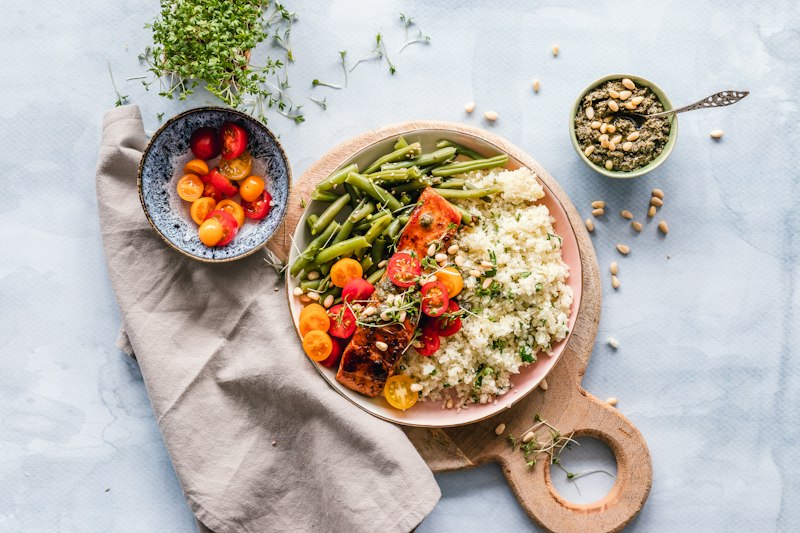
Bowl of warm bone broth — the ideal food for breaking a longer fast
Breaking a 16-Hour Fast (16:8 Protocol)
A 16-hour fast is the most common intermittent fasting protocol. Your digestive system is still relatively active, so you have the most flexibility in food choices. However, moderation still matters.
Best First Foods for 16:8
Start with a balanced, moderate meal rather than a feast:
Protein-rich options: Eggs (scrambled, boiled, or poached), Greek yogurt, grilled chicken, or a protein smoothie. Protein stabilizes blood sugar and promotes satiety.
Healthy fats: Avocado, nuts, olive oil, or nut butter. Fats digest slowly and prevent the blood sugar rollercoaster.
Non-starchy vegetables: Leafy greens, cucumber, zucchini, bell peppers. These provide fiber and micronutrients without overwhelming your stomach.
A small portion of complex carbs: Sweet potato, quinoa, oatmeal, or whole grain bread. Save the carbs for the middle or end of your meal.
Sample 16:8 Fast-Breaking Meal
- 2 scrambled eggs with spinach and avocado
- A slice of whole grain toast
- A glass of water with lemon
Follow with a normal dinner 4-6 hours later to complete your eating window.
Breaking a 20-24 Hour Fast
After 20-24 hours, your digestive system has slowed more significantly. You need to be more deliberate about easing back into eating.
Phase 1: The Primer (First 15 Minutes)
Start with something liquid or very light:
- A cup of bone broth (rich in electrolytes and collagen, extremely easy to digest)
- A small handful of nuts (5-8 almonds or walnuts)
- A few bites of avocado
- A glass of water with a pinch of salt
Phase 2: The First Meal (After 15-30 Minutes)
Once the primer has settled, eat a moderate meal:
- Grilled fish or chicken (palm-sized portion)
- Steamed or roasted vegetables
- A small portion of rice or sweet potato
- Olive oil or butter for healthy fats
What to Avoid After a 24-Hour Fast
- Large portions (eat 60-70% of what you normally would)
- Sugary foods (pastries, candy, fruit juice)
- Fried or greasy foods
- Raw cruciferous vegetables (broccoli, cauliflower, cabbage — these are hard to digest on an empty stomach)
- Dairy in large quantities (can cause bloating after longer fasts)
- Alcohol
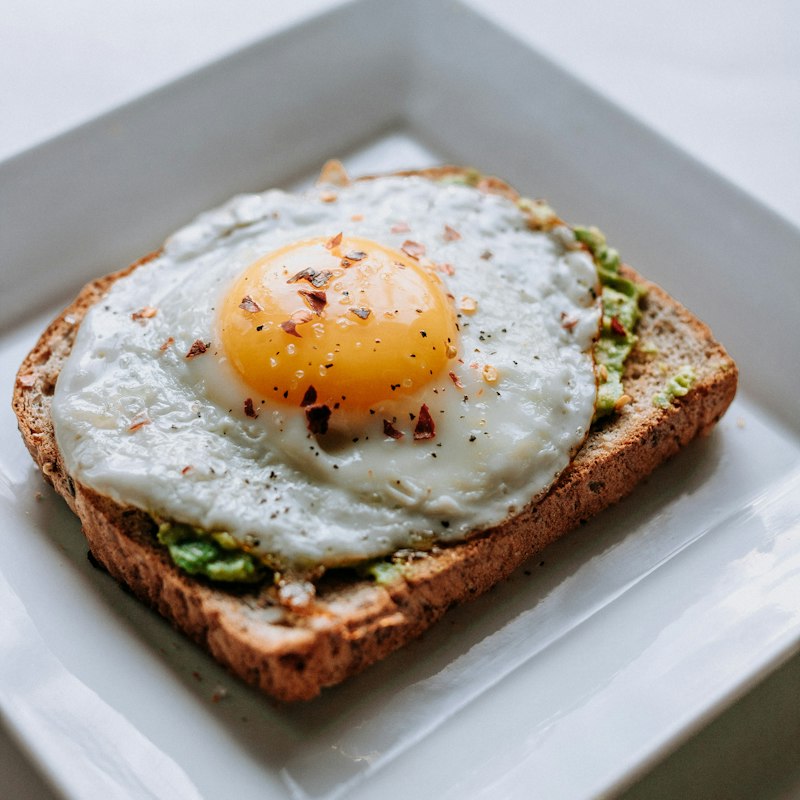
Avocado toast with eggs representing a balanced fast-breaking meal
Breaking a 36-72 Hour Extended Fast
Extended fasts require the most careful refeeding. Your digestive system has been essentially dormant, and your electrolyte balance may be fragile. This is where "refeeding syndrome" becomes a real concern for fasts over 48 hours.
What Is Refeeding Syndrome?
When you eat carbohydrates after a prolonged fast, insulin surges and drives electrolytes (phosphorus, potassium, magnesium) into cells. If your levels are already low from fasting, this can cause dangerous drops in blood electrolytes, leading to muscle weakness, heart rhythm issues, and in rare cases, serious complications.
This is primarily a risk for fasts over 72 hours or for people who are already malnourished, but it is wise to be cautious even with 48-hour fasts.
Refeeding Protocol for Extended Fasts
Hour 0 (Breaking the fast):
- Bone broth (1-2 cups)
- A pinch of salt for sodium
- Wait 30 minutes
Hour 0.5:
- Small portion of cooked vegetables (steamed zucchini, carrots, or spinach)
- A few bites of avocado or a tablespoon of olive oil
- Wait 1 hour
Hour 1.5:
- A small protein portion (2-3 oz of fish, chicken, or eggs)
- More cooked vegetables
- A small amount of complex carbs if desired
Hour 3+:
- A normal-sized, balanced meal
- Continue drinking water and electrolytes throughout
Supplements to Consider
After extended fasts, supplementing electrolytes is important:
- Sodium: Salt in water or bone broth
- Potassium: Avocado, banana (after initial refeeding), or supplement
- Magnesium: Nuts, leafy greens, or supplement
- Phosphorus: Eggs, fish, dairy (introduce gradually)
Breaking an Iftar Fast (Ramadan)
Ramadan fasting — dawn to sunset without food or water — has its own tradition and wisdom for breaking the fast.
The Prophetic Tradition
The Sunnah is to break the fast with an odd number of dates and water. This is not just spiritual tradition — it is nutritionally sound. Dates provide natural glucose to restore blood sugar quickly, along with potassium and fiber. Water begins rehydration immediately.
The Two-Phase Iftar
Phase 1 (Break the fast): Dates, water, and a light soup (lentil soup is ideal). Then pause for Maghrib prayer.
Phase 2 (Main meal, 15-20 minutes later): A balanced plate of protein, vegetables, complex carbs, and healthy fats. This pause between phases gives your stomach time to wake up and prevents overeating.
Sample Iftar Meal
- 3 dates + a large glass of water
- A bowl of lentil or chicken soup
- (Pause for prayer)
- Grilled chicken or lamb
- Rice or flatbread (moderate portion)
- Mixed salad with olive oil
- Fresh fruit for dessert
Common Iftar Mistakes
- Eating too quickly after the adhan
- Starting with heavy fried foods (samosas, pakoras)
- Drinking sugary Rooh Afza or Vimto instead of water
- Eating dessert immediately after the main meal
- Skipping vegetables entirely
Best Foods for Breaking Any Fast
Regardless of your fasting duration, these foods are universally excellent choices:
Bone Broth
The gold standard for breaking longer fasts. Rich in collagen, glycine, electrolytes, and easy on the stomach. Homemade is best, but store-bought works if it is low in sodium and free of additives.
Eggs
Easy to digest, high in protein, rich in B vitamins and choline. Scrambled or soft-boiled eggs are gentler on the stomach than hard-boiled.
Avocado
Healthy monounsaturated fats, potassium, and fiber in a soft, easily digestible package. Half an avocado with a pinch of salt is a perfect fast-breaker.
Cooked Vegetables
Steamed, roasted, or sauteed vegetables are easier to digest than raw. Zucchini, spinach, sweet potato, and carrots are excellent choices.
Fish
Salmon, cod, or tilapia are light proteins that are easy on the digestive system. Baked or grilled, not fried.
Bananas
Rich in potassium and easy to digest. A good choice after fasts of 24 hours or less.
Fermented Foods (Small Amounts)
A few bites of yogurt, kefir, or sauerkraut can support gut health after fasting. Start small — large portions of fermented foods on an empty stomach can cause discomfort.
Worst Foods for Breaking a Fast
These foods should be avoided as your first meal after any fast:
Sugary Foods and Drinks
Candy, pastries, fruit juice, soda, and sweetened coffee cause rapid blood sugar spikes after fasting, leading to crashes, cravings, and negating the insulin benefits of your fast.
Processed Carbohydrates
White bread, pasta, cereal, and crackers spike blood sugar almost as fast as pure sugar. Save these for later in your eating window if you eat them at all.
Fried and Greasy Foods
Your digestive system needs gentle reintroduction. Fried foods are hard to break down and often cause bloating, acid reflux, and nausea after fasting.
Large Portions of Red Meat
Steak and heavy red meat are hard to digest even on a full stomach. After fasting, start with lighter proteins like fish, chicken, or eggs.
Raw Cruciferous Vegetables
Raw broccoli, cauliflower, cabbage, and Brussels sprouts are excellent foods — but they produce gas and are difficult to digest when your stomach is empty. Cook them instead.
Dairy in Large Quantities
A splash of yogurt is fine, but large glasses of milk or heavy cream sauces can cause bloating and discomfort, especially after longer fasts.
Alcohol
Drinking alcohol on an empty stomach is never a good idea, but after fasting it is particularly problematic. Your liver is in fat-burning mode — alcohol forces it to switch to detoxification, and the effects hit harder on an empty stomach.
Hydration When Breaking a Fast
Rehydration is as important as refeeding, especially after waterless fasts like Ramadan.
Start with Water
Before eating anything, drink a full glass of water. Room temperature water is gentler on an empty stomach than ice cold.
Add Electrolytes
A pinch of sea salt in your water, a squeeze of lemon, or a proper electrolyte drink helps restore sodium, potassium, and magnesium faster than water alone.
Sip, Do Not Chug
Drinking large amounts of water rapidly can cause nausea and bloating. Sip steadily over 30 minutes rather than downing a liter at once.
Avoid Caffeine as Your First Drink
Coffee on a completely empty stomach can cause acid reflux and jitters. Have water first, eat something light, then enjoy your coffee.
Tracking Your Meals with FastSoul
FastSoul helps you build healthy fast-breaking habits. The app reminds you when your eating window opens, suggests appropriate foods based on your fasting duration, and lets you journal what you ate and how it made you feel. Over time, you learn exactly which foods work best for your body after different types of fasts.
Summary: Fast-Breaking Cheat Sheet
16-hour fast: Break with a balanced meal — protein, fats, vegetables. Avoid sugar and fried foods.
20-24 hour fast: Start with broth or light snack. Wait 15-30 minutes. Then eat a moderate meal.
36-72 hour fast: Bone broth first. Slow reintroduction over 2-3 hours. Supplement electrolytes.
Ramadan iftar: Dates and water. Light soup. Pause for prayer. Then a balanced dinner.
The golden rule: start gentle, eat slowly, listen to your body. Your fast is an investment — protect the returns by breaking it wisely.
Ready to Start Fasting?
FastSoul tracks your fasts, builds streaks, and supports both health and spiritual fasting with 12+ protocols, AI coaching, and daily reflections.