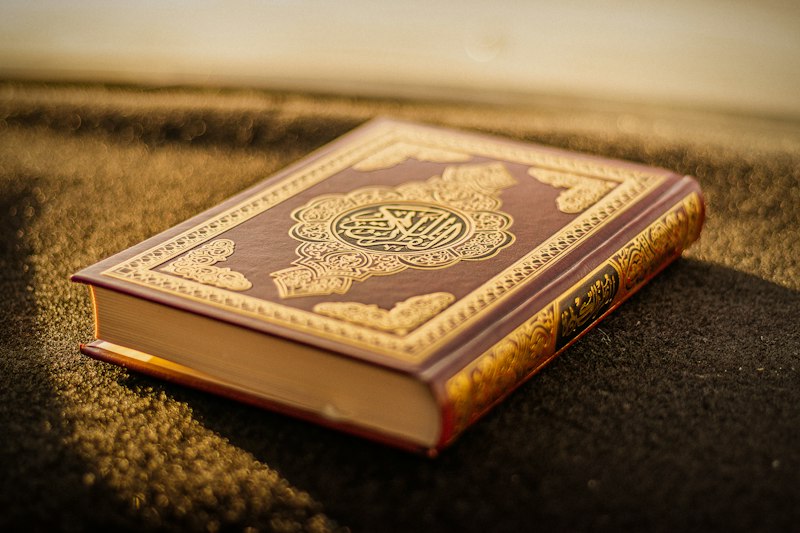
Spiritual Fasting: A Guide to Fasting Across Faith Traditions
FastSoul TeamMarch 5, 202611 min read
Fasting is one of the few practices shared by virtually every major religious and spiritual tradition on Earth. From the 30-day fast of Ramadan to the 25-hour abstinence of Yom Kippur, from the Lenten disciplines of Christianity to the lunar fasts of Hinduism, cultures across time and geography have recognized that abstaining from food creates space for something deeper.
This guide explores how fasting is practiced across the world's major faith traditions — not to compare or rank them, but to illuminate the shared wisdom beneath them all. If you fast for your health, understanding the spiritual dimensions may deepen your practice. If you fast for your faith, seeing how other traditions approach the same discipline may enrich your perspective.
Why Do Religions Prescribe Fasting?
Despite vast theological differences, the world's faith traditions agree on several purposes for fasting:
Discipline and Self-Mastery
Every tradition teaches that fasting builds willpower. By denying the body's most basic demand — food — you demonstrate authority over your physical impulses. This discipline extends beyond fasting into patience, kindness, and moral strength.
Purification
Fasting is widely understood as a cleansing practice — not just for the body, but for the soul. Many traditions teach that fasting burns away spiritual impurities, past transgressions, or karmic residue.
Compassion and Solidarity
Experiencing hunger connects the faster to those who go without by necessity. Most traditions pair fasting with charity — zakat in Islam, almsgiving in Christianity, dana in Hinduism and Buddhism.
Drawing Closer to the Divine
By emptying the body, you create space for spiritual fullness. Prayer and meditation during fasting are described across traditions as more vivid, more intimate, more transformative.
Gratitude
Fasting reminds you that food is not guaranteed — it is a blessing. Breaking a fast with gratitude reshapes your relationship with sustenance.
Peaceful sunrise over a temple representing spiritual fasting across traditions
Fasting in Islam: Ramadan and Beyond
Ramadan (Sawm)
The most well-known Islamic fast, Ramadan is the ninth month of the Islamic lunar calendar. For 29-30 days, Muslims fast from dawn (Fajr) to sunset (Maghrib), abstaining from all food, water, and intimate relations during daylight hours.
Ramadan is one of the Five Pillars of Islam — it is obligatory for all healthy adult Muslims. The fast is broken each evening with iftar, traditionally starting with dates and water following the practice of Prophet Muhammad (peace be upon him). The pre-dawn meal (suhoor) sustains the faster through the day.
Beyond physical abstinence, Ramadan demands spiritual fasting — avoiding gossip, anger, dishonesty, and harmful behavior. The Quran states: "O you who believe, fasting is prescribed for you as it was prescribed for those before you, that you may attain taqwa (God-consciousness)" (2:183).
Voluntary Islamic Fasts
Beyond Ramadan, Islam encourages several voluntary fasts:
- Mondays and Thursdays (Sunnah fasts practiced by the Prophet)
- The 13th, 14th, and 15th of each lunar month (Ayyam al-Bid)
- The Day of Arafah (9th Dhul Hijjah)
- Six days of Shawwal (the month after Ramadan)
- The Day of Ashura (10th Muharram)
FastSoul's Ramadan mode tracks dawn-to-sunset fasts automatically, integrates prayer times, and provides daily Quran verses and duas — making it the perfect companion for the holy month and voluntary fasts throughout the year.
Fasting in Christianity
Christian fasting traditions are diverse, spanning Catholicism, Orthodoxy, Protestantism, and numerous denominations.
Lent
The most widely observed Christian fast, Lent covers the 40 days before Easter (excluding Sundays). Practices vary by denomination:
- Roman Catholics traditionally abstain from meat on Fridays and fast (one full meal, two smaller meals) on Ash Wednesday and Good Friday.
- Eastern Orthodox Christians observe a stricter fast for all 40 days, avoiding meat, dairy, eggs, fish, olive oil, and wine — essentially following a vegan diet with additional restrictions.
- Many Protestants choose to give up a specific food, habit, or pleasure for the 40 days.
The purpose is preparation for Easter through penitence, prayer, and self-denial, following Jesus's 40-day fast in the wilderness.
The Daniel Fast
Based on the Book of Daniel (chapters 1 and 10), the Daniel Fast is a 21-day partial fast that restricts the diet to fruits, vegetables, whole grains, nuts, seeds, and water. No meat, dairy, sugar, caffeine, alcohol, or processed foods.
The Daniel Fast has gained enormous popularity in evangelical and charismatic churches as a spiritual reset — combining the health benefits of a whole-food, plant-based diet with focused prayer and Scripture study. Many churches organize corporate Daniel Fasts in January as a way to start the year with spiritual intentionality.
Other Christian Fasting Practices
- Advent fasting (four weeks before Christmas, primarily in Orthodox traditions)
- Wednesday and Friday fasts (traditional in Eastern Orthodoxy)
- Eucharistic fast (abstaining from food for 1-3 hours before Communion)
- Personal prayer fasts (skipping meals to devote time to prayer)
Candles and sacred objects representing diverse faith traditions and prayer
Fasting in Hinduism
Hindu fasting (upavasa, literally "sitting near God") is deeply woven into daily, weekly, and seasonal religious life. There is no single fasting rule — practices vary by region, deity, and personal devotion.
Ekadashi
Ekadashi falls on the 11th day of each lunar fortnight — roughly twice a month. Devoted Hindus fast completely or eat only fruits and milk. Ekadashi is particularly significant in Vaishnavism (devotion to Vishnu/Krishna) and is believed to purify the mind and body.
Navratri
A nine-night festival dedicated to the goddess Durga, observed twice yearly (in spring and autumn). Many Hindus fast for all nine days, eating only fruits, milk, and specific grains like buckwheat (kuttu) and water chestnut flour (singhara). Onion, garlic, wheat, and rice are typically avoided.
Karva Chauth
A day-long waterless fast observed by married Hindu women for the longevity of their husbands. The fast begins before sunrise and is broken after sighting the moon at night.
Weekly Fasts
Many Hindus observe weekly fasts dedicated to specific deities:
- Monday for Lord Shiva
- Tuesday for Hanuman
- Thursday for Lord Vishnu / Brihaspati
- Saturday for Lord Shani (Saturn)
These fasts may involve complete abstinence or eating only specific foods (fruits, milk, or a single meal).
Maha Shivaratri
The "Great Night of Shiva" involves a 24-hour fast with an all-night prayer vigil (jagran). Devotees fast completely or consume only water and milk.
Fasting in Buddhism
Buddhist fasting is less prescribed and more a matter of monastic discipline and personal practice.
Monastic Fasting
In the Theravada tradition, monks and nuns eat only between dawn and noon — effectively fasting for 18+ hours daily. This is not considered a hardship but a support for meditation practice: a lighter body makes for a clearer mind.
Uposatha Days
Lay Buddhists may observe Uposatha days (roughly four times per month, based on lunar phases) by eating only one meal before noon, taking additional precepts, and spending the day in meditation and Dharma study.
Nyungne
A Tibetan Buddhist practice combining fasting, silence, and intensive meditation over two days. On the first day, practitioners eat one meal. On the second day, they fast completely — no food, no water, no speech. The practice is dedicated to Chenrezig (Avalokiteshvara), the bodhisattva of compassion.
Mindful Eating as Practice
Even outside formal fasts, Buddhism emphasizes mindful eating — eating slowly, with awareness, and with gratitude. Many Buddhist practitioners eat vegetarian or vegan diets as an extension of the precept against harming living beings.
Fasting in Judaism
Jewish fasting involves complete abstinence from food and water for defined periods, prescribed by the Torah and rabbinic tradition.
Yom Kippur
The Day of Atonement is the most solemn day in the Jewish calendar and the only fast explicitly commanded in the Torah. Jews fast for approximately 25 hours — from sunset to nightfall the following day — abstaining from food, water, bathing, leather shoes, and intimate relations.
The fast is accompanied by intensive prayer services (five in total), confession of sins, and seeking forgiveness from both God and fellow humans. It is considered the holiest day of the year.
Tisha B'Av
A 25-hour fast commemorating the destruction of both the First and Second Temples in Jerusalem. It is the saddest day in the Jewish calendar, observed with mourning practices including sitting on the floor and reading the Book of Lamentations.
Minor Fast Days
Judaism includes several sunrise-to-sunset fasts:
- Fast of Gedaliah (3rd of Tishrei)
- Fast of the 10th of Tevet
- Fast of the 17th of Tammuz
- Fast of Esther (before Purim)
Personal Fasts
Jewish tradition allows for voluntary personal fasts, often as acts of repentance or before significant life events. Some communities fast on the day before their wedding.
Common Threads Across Traditions
Despite their differences, these traditions share remarkable common ground:
Every tradition pairs fasting with prayer, meditation, or spiritual reflection. The physical emptiness is not the point — it is the vehicle for spiritual fullness.
Every tradition connects fasting with charity and compassion. You do not fast to suffer — you fast to understand suffering and respond to it.
Every tradition provides exemptions for those who would be harmed: the sick, children, pregnant women, the elderly. Fasting is meant to strengthen, not destroy.
Every tradition teaches that the inner dimension matters more than the outer form. A fast without spiritual intention is mere hunger.
How FastSoul Supports Spiritual Fasting
FastSoul was built from the ground up to honor the spiritual dimension of fasting. While most fasting apps focus solely on health metrics, FastSoul includes:
- Dedicated modes for Ramadan, Lent, Daniel Fast, Hindu fasts, and custom spiritual practices
- Prayer time integration for Islamic fasts
- Daily spiritual reflections and Scripture references
- Intention-setting before each fast
- Journal prompts for spiritual reflection
- Community features that connect fasters across traditions
Whether you fast for your faith, your health, or both, FastSoul meets you where you are.
Starting Your Spiritual Fasting Practice
If you are new to spiritual fasting, start with what your tradition prescribes. If you are exploring outside your tradition — or if you are spiritual but not religious — consider these starting points:
Begin with a purpose. Set a clear intention before each fast: gratitude, clarity, compassion, discipline, or connection to something greater.
Start short. A sunrise-to-sunset fast or a 16-hour fast with prayer and meditation is a powerful introduction.
Pair fasting with reflection. Journaling, prayer, meditation, or reading sacred texts during fasting hours transforms the experience from dietary restriction to spiritual practice.
Break the fast with gratitude. Whatever you eat, eat it slowly and with awareness. Let the first bite remind you of the blessing of sustenance.
Be gentle with yourself. Spiritual fasting is a practice, not a performance. Some days will be profound; others will just be hard. Both count.
Ready to Start Fasting?
FastSoul tracks your fasts, builds streaks, and supports both health and spiritual fasting with 12+ protocols, AI coaching, and daily reflections.